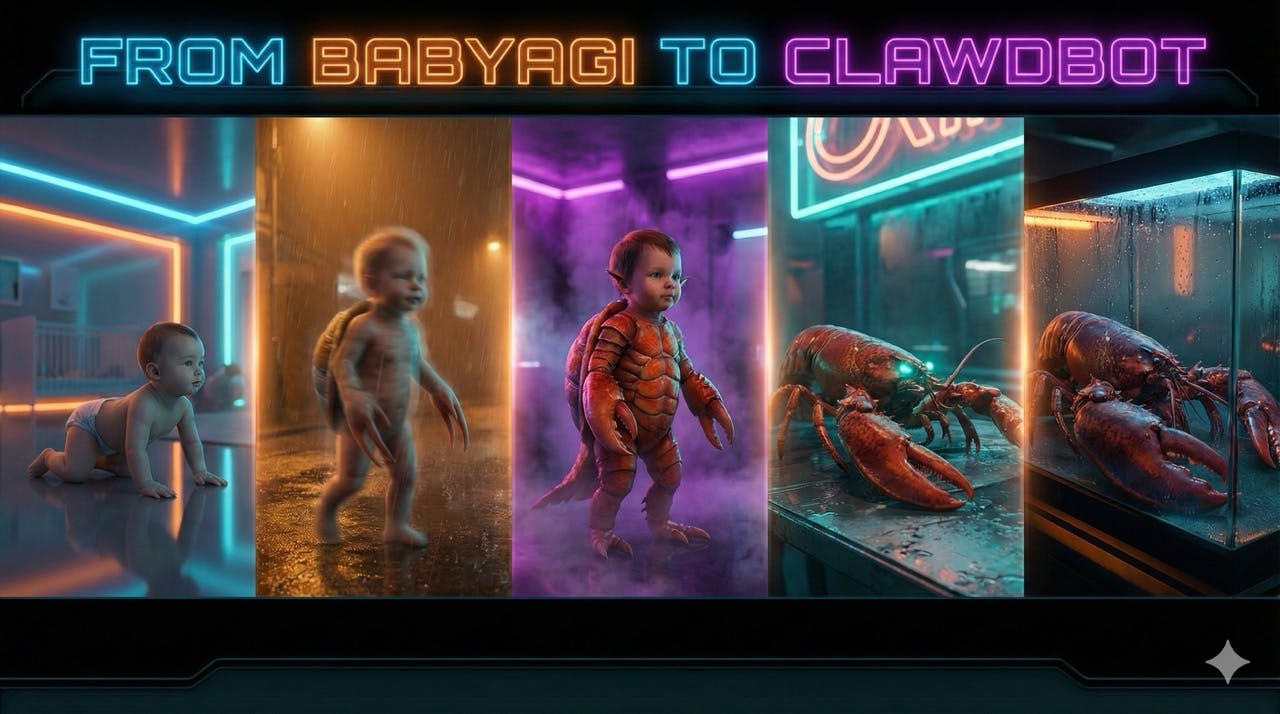
In the freezing January of 2026, amidst the humming server racks of basement homelabs and the sleek, glass-walled offices of San Francisco, a quiet revolution took hold. It didn't arrive with the bombastic fanfare of a product launch keynote or a viral tech demo that promised to cure cancer. Instead, it arrived in the form of a crustacean. The software was called Clawdbot, and its logo—a pixelated lobster—became the unlikely sigil of a new era in artificial intelligence.1
In January 2026, as protests and a state-imposed digital blackout grip Iran, a critical failure is unfolding in the "unblockable" Starlink satellite internet system. Despite being designed to circumvent censorship, reports from the ground show a "near-total" disruption, with urban connection rates plummeting by 80%. This sophisticated electronic warfare is a watershed moment, proving that military-grade jamming can overwhelm LEO constellations. The situation poses urgent questions about the physics of radio frequency combat.
To understand this conflict, we must look beyond the headlines and into the electromagnetic spectrum itself. We must disassemble the machinery of the Starlink user terminal, analyze the signal architecture of the Ku-band, and inspect the formidable jamming trucks rolling through the streets. This is a story of signal-to-noise ratios, orbital mechanics, and the relentless cat-and-mouse game between those who build the networks and those who seek to destroy them.
A Comprehensive Engineering and Operational Analysis of the Internet Archive
Introduction: The Hum of History in the Fog
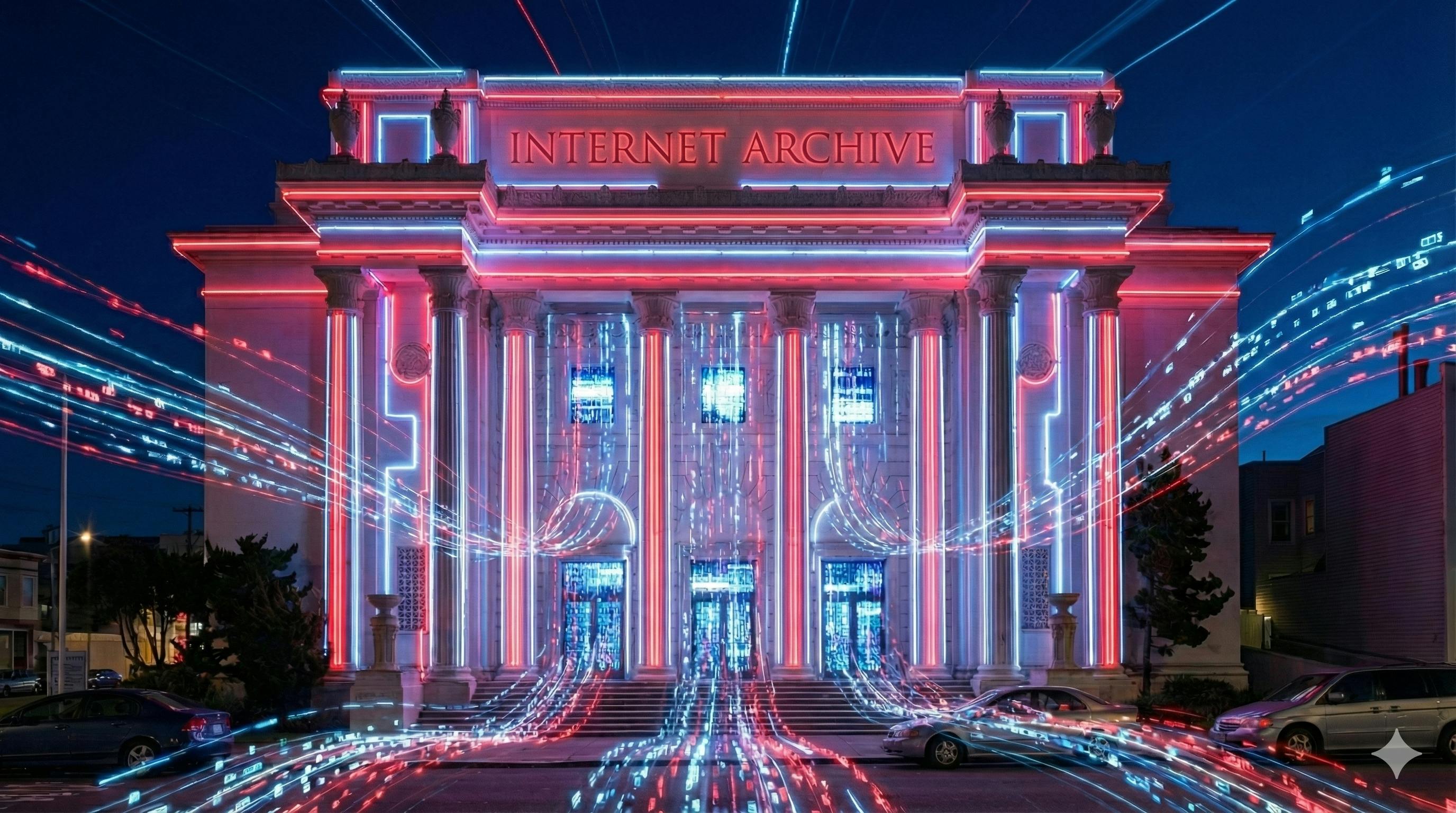
If you stand quietly in the nave of the former Christian Science church on Funston Avenue in San Francisco’s Richmond District, you can hear the sound of the internet breathing. It is not the chaotic screech of a dial-up modem or the ping of a notification, but a steady, industrial hum—a low-frequency thrum generated by hundreds of spinning hard drives and the high-velocity fans that cool them. This is the headquarters of the Internet Archive, a non-profit library that has taken on the Sisyphean task of recording the entire digital history of human civilization.
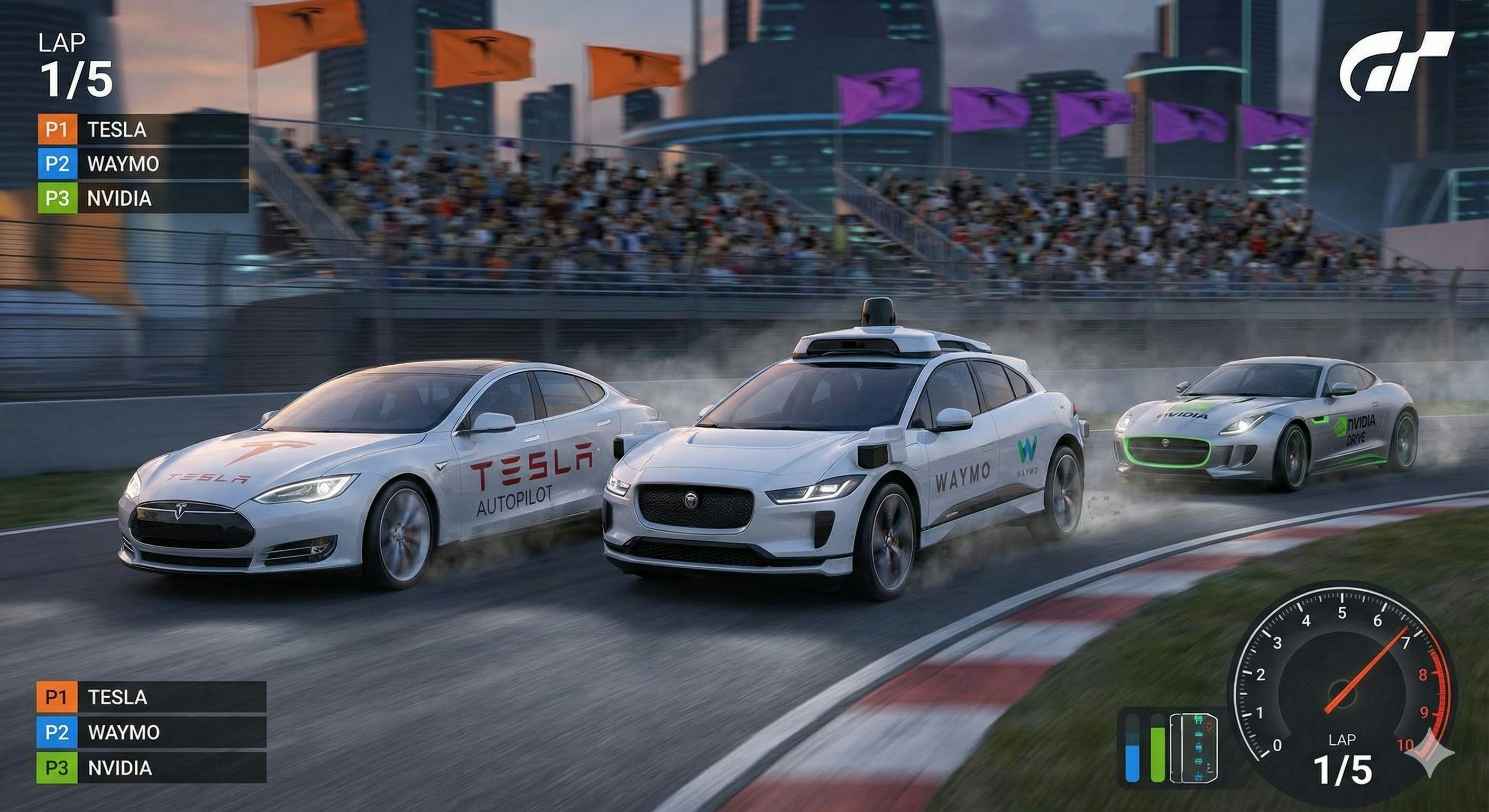
In early 2026, a Tesla Model 3 traveled from the Tesla Diner in Los Angeles to Myrtle Beach, South Carolina - a distance of 2,732.4 miles. The driver, David Moss, did not touch the wheel. He did not press the accelerator. He did not tap the brake. For two days and twenty hours, the car navigated the interstate arteries of a continent, handled the chaotic merging of urban sprawls, and docked itself at Superchargers, all controlled by the invisible hand of Full Self-Driving (FSD) v14.2.1 It was a "Kitty Hawk" moment for autonomous driving, a demonstration that the intuition of a neural network had finally mastered the flow of the open road.
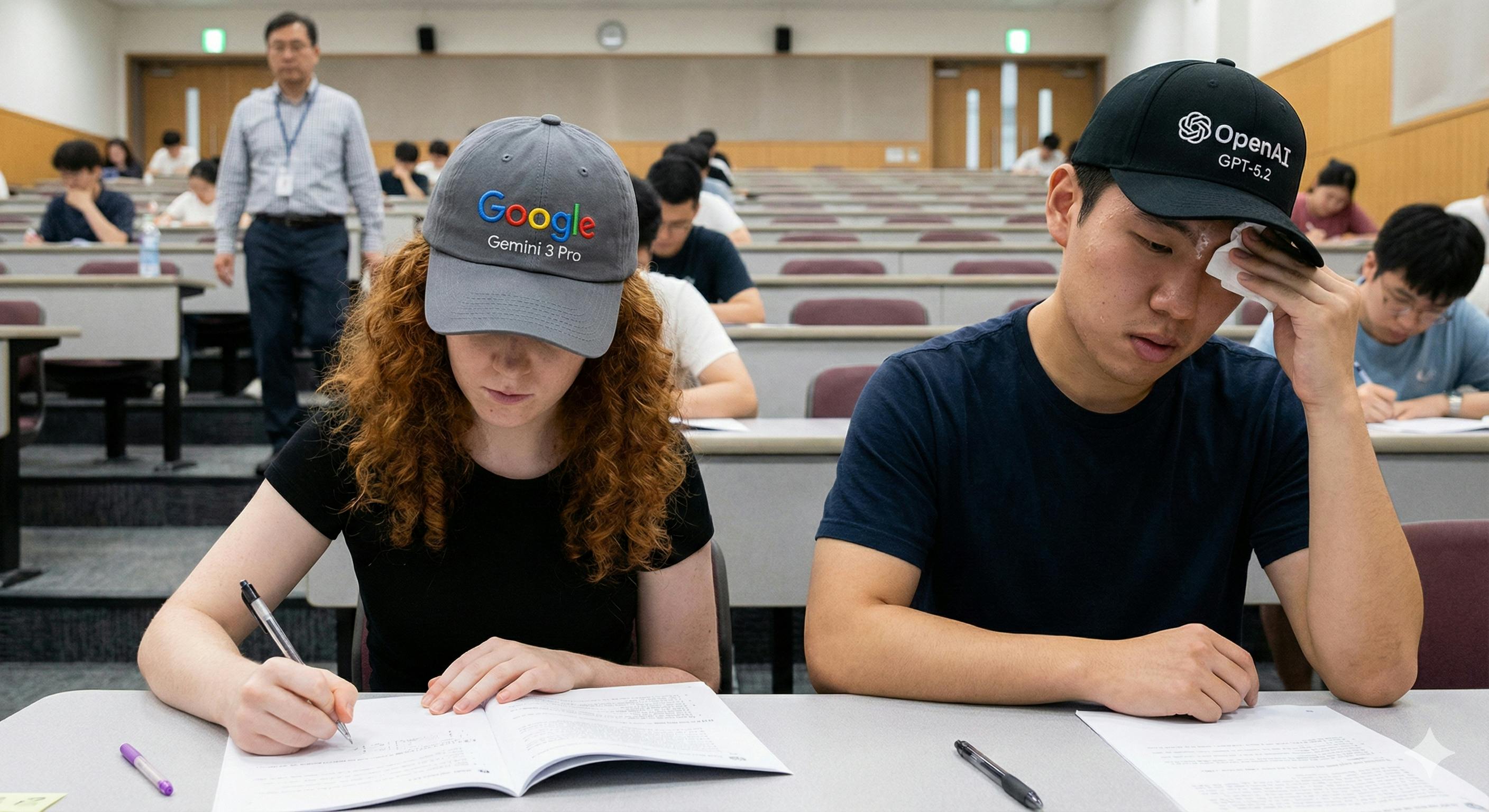
Recently OpenAI released GPT-5.2 which has superior benchmark results. However, some online chatters reveal that OpenAI might have used more tokens and compute for the benchmark test, and might be considered “cheating” the tests. If everything is equal, is GPT-5.2 actually on par with Gemini 3 Pro? Here we try to find out.
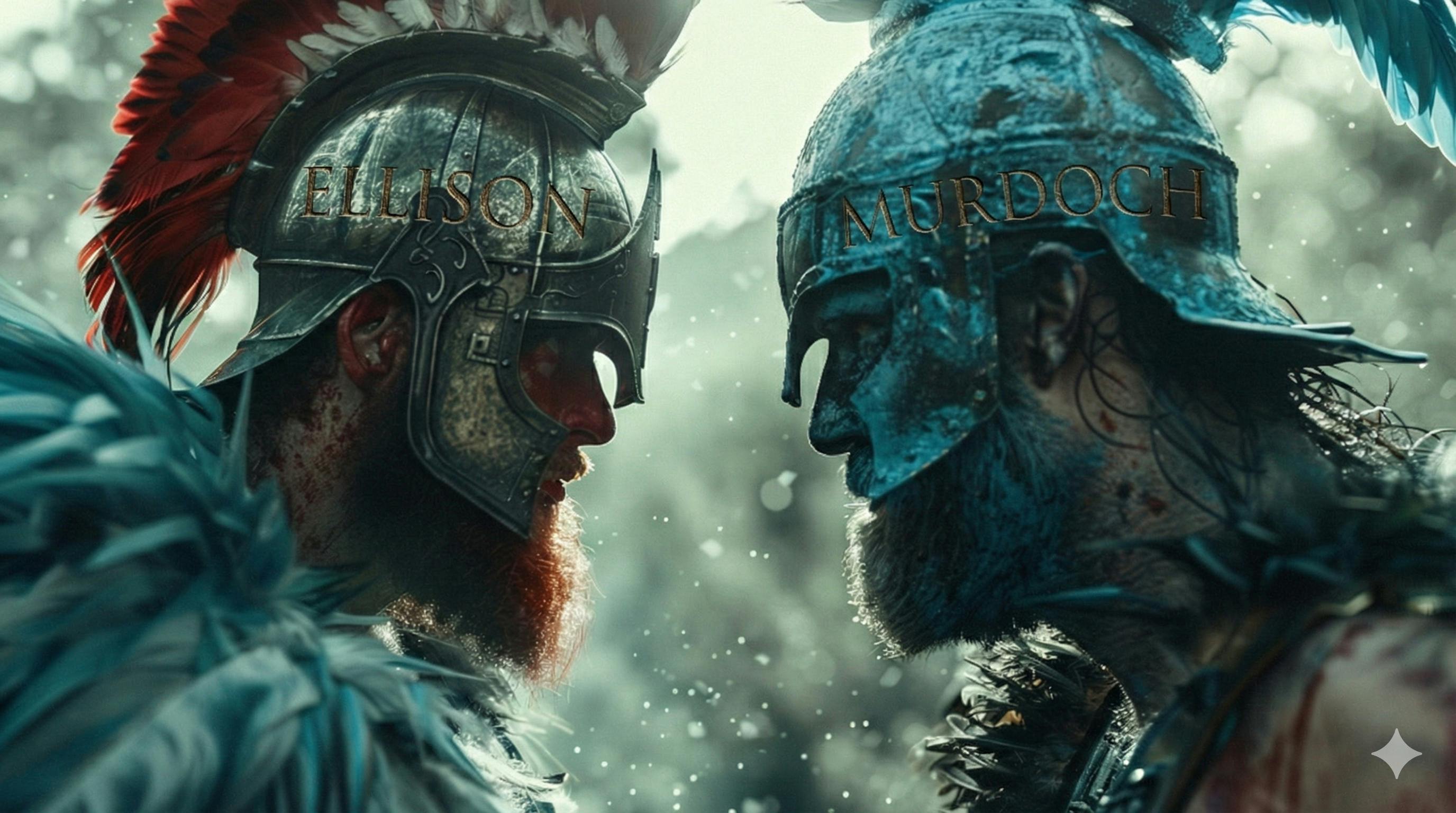
Recent news indicates David Ellison's Paramount Skydance has launched a hostile bid for the entire Warner Bros. Discovery (WBD) company, challenging Netflix's prior offer.
In late 2025, an invisible force originating 93 million miles away brought air travel to a sudden, chaotic halt. A rare spike in solar radiation exposed a hidden, critical flaw in the world’s most popular airliner, the Airbus A320 Family. What followed was a massive global grounding order, impacting over 6,000 jets and forcing the largest recall in the company’s 55-year history.
This event wasn't caused by metal fatigue or pilot error, but by physics at its most microscopic: a solar particle hitting a single computer chip and flipping one crucial bit of data—a phenomenon known in engineering circles as a "bit flip." This incident serves as a stark reminder that in the age of fly-by-wire aviation, a tiny change in space weather can translate instantly into a life-or-death crisis in the cockpit.
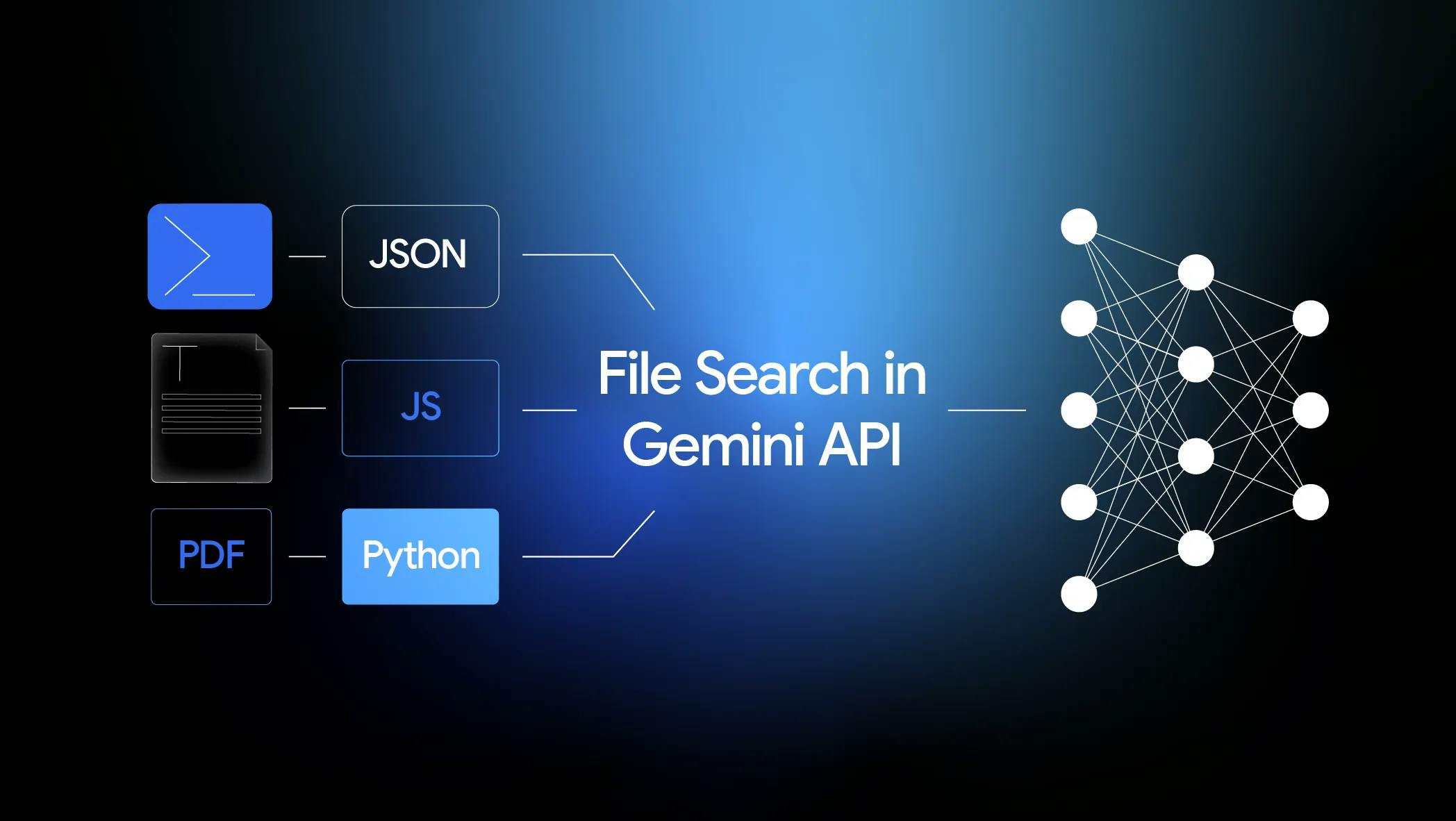
Google announced Gemini File Search, and pundits claim it’s the death toll for homebrew RAG (Retrieval Augmented Generation). The reason is that now the app developer no longer needs to worry about chunking, embedding, file storage, vector database, metadata, retrieval optimization, context management, and more. And the entire document Q&A stack (used to be a middleware plus application layer logic) is now absorbed by the Gemini model and its peripheral cloud offerings.
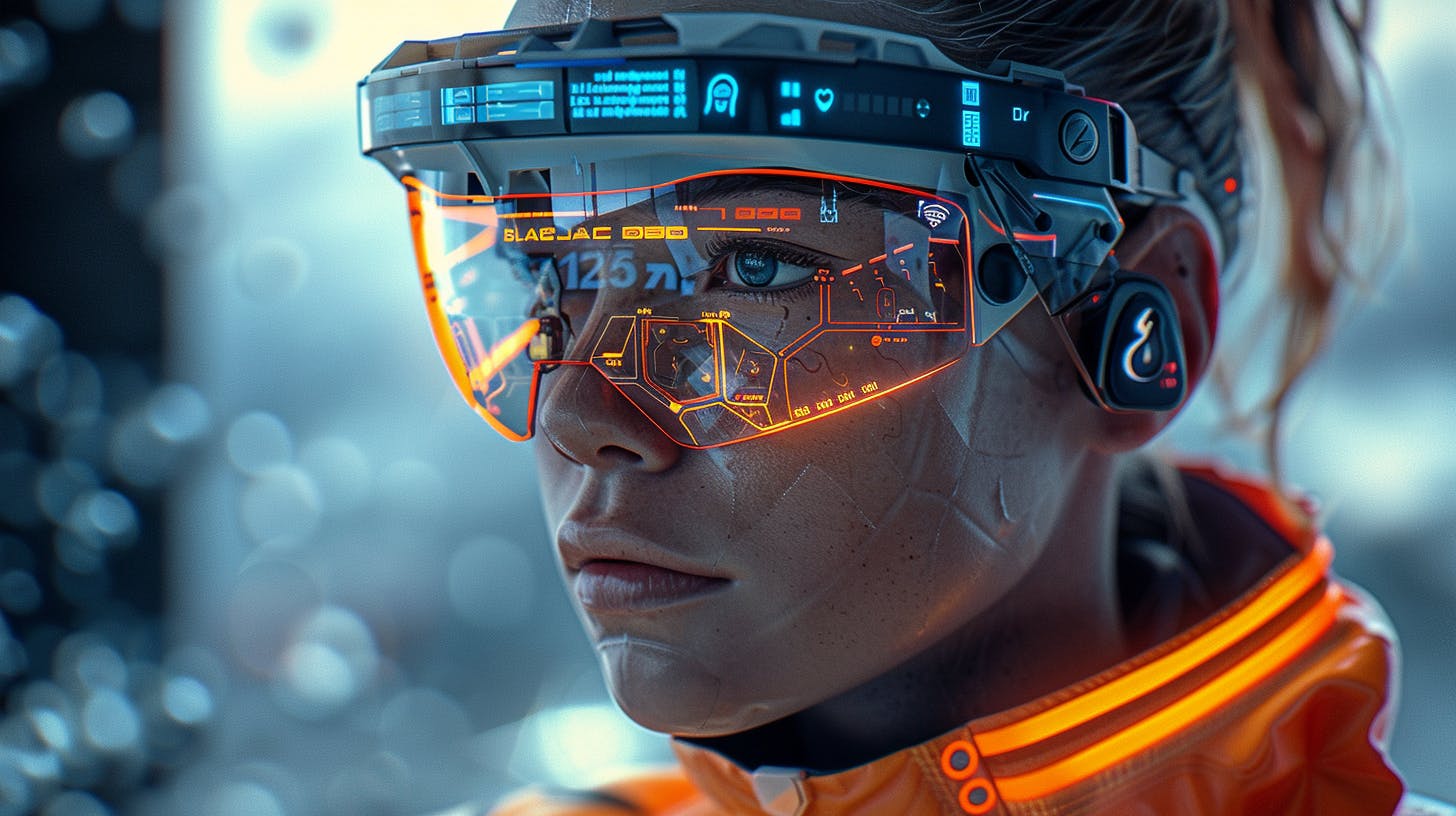
For two decades, our interaction with the digital world has been confined to a mere 5-inch screen and a single fingertip. But what if we could break free from these limitations and unlock the full spectrum of our innate human senses in our everyday computing?