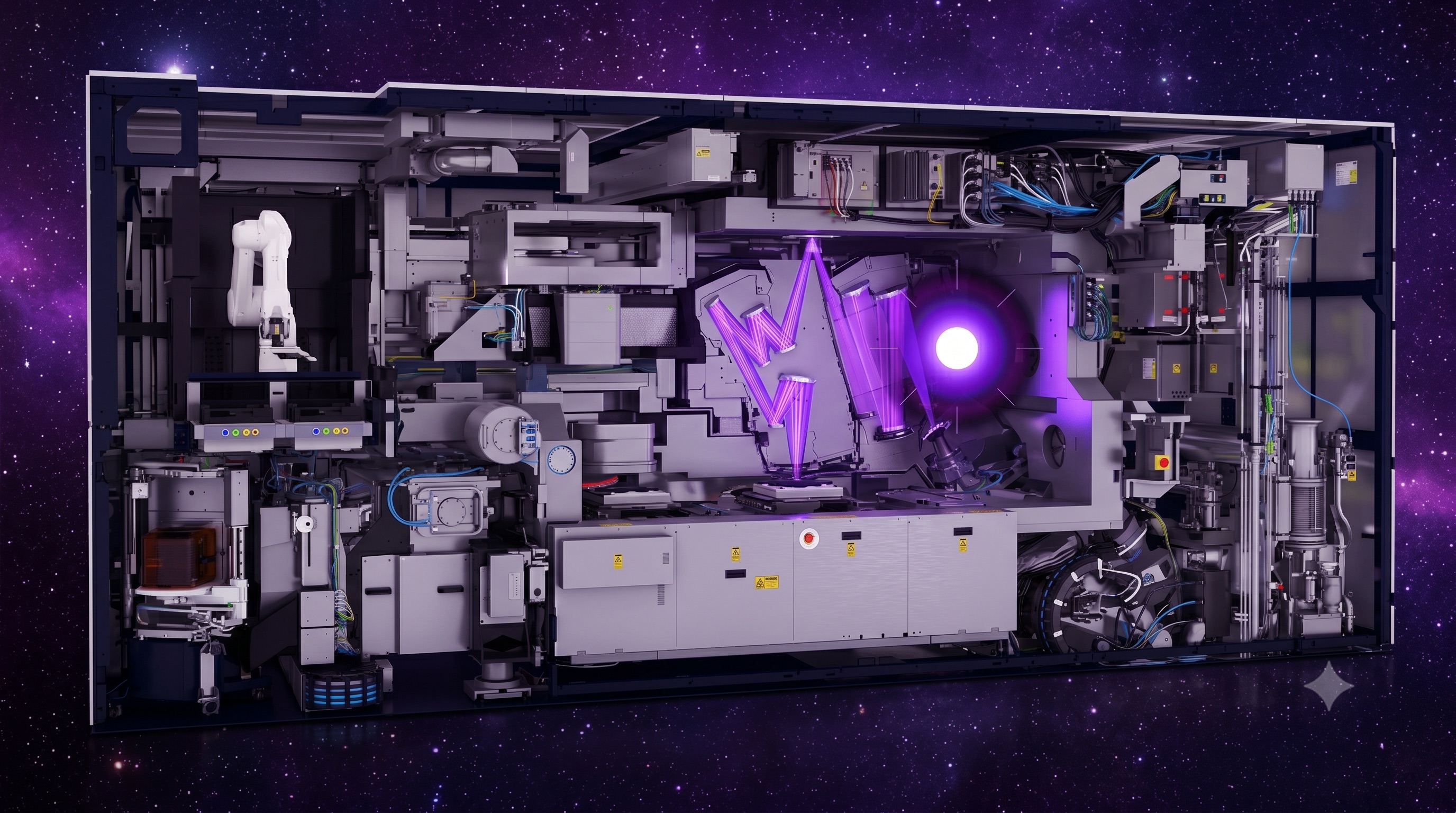
Somewhere inside a refrigerator-cold vacuum chamber in a windowless fab, a droplet of molten tin no bigger than a speck of dust is falling sideways at 150 miles per hour. A laser finds it, taps it once to flatten it into a tiny pancake, then hits it again with a pulse so violent the metal explodes into a plasma hotter than the surface of the sun. For a few billionths of a second, that microscopic fireball glows with a specific, rare color of light — and that flash is used to print a transistor.
Then it happens again. And again. Fifty thousand times a second, all day, for months on end.
At seven in the evening on July 10, 2024, a bolt of lightning struck a 230-kilovolt transmission line in Fairfax County, Virginia. It was an unremarkable evening thunderstorm. The line, owned by Dominion Energy, was equipped for precisely this contingency: a lightning arrestor designed to shunt the surge harmlessly to ground. The arrestor failed. A permanent electrical fault locked the line out of service. By the standards of a utility that maintains thousands of miles of high-voltage wire in a region known for summer storms, this was a Tuesday.
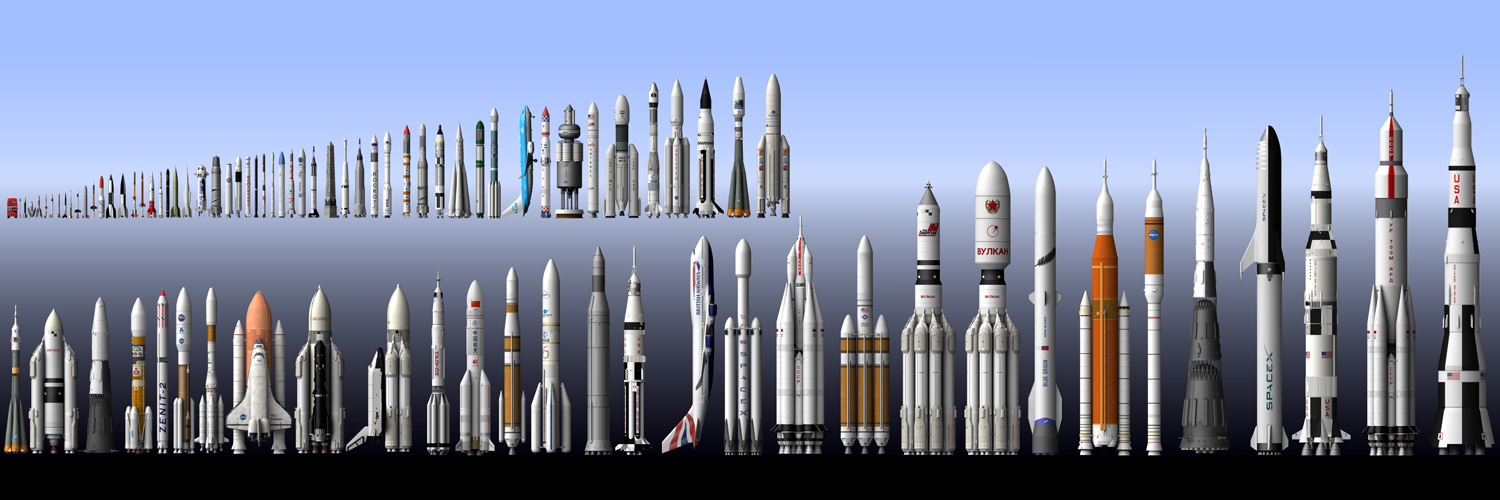
From the Gobi Desert to the Arctic Circle, a generation of private rocket startups is finally bending metal. 2026 is the year they either reach orbit — or run out of cash. (Title image credit: Nick Stevens)
The Monopoly in the Sky
Look up on a clear night in 2026 and you'll see them: not just Orion or Cassiopeia, but the synchronized trains of Starlink, drifting across the sky like a slow-motion barcode. One company, headquartered in Hawthorne, California, owns roughly two-thirds of everything humanity is currently launching into orbit. SpaceX didn't just lower the cost of getting to space. It vaporized the old market, then welded a stainless-steel tower out of the wreckage in South Texas.
Inside the biological tricks that let three-pound brains outlearn trillion-parameter machines — and the radical new architectures trying to close the gap.
A human baby, fresh out of the womb, cannot hold up her own head. She cannot focus her eyes past about a foot. She cannot, by any reasonable measure, do much of anything.
And yet, before she has taken her first nap, she already understands that solid objects don't pass through walls, that people have intentions, that some quantities are bigger than others, and that the helpful stranger leaning over the bassinet is preferable to the one who just snatched a toy away.
AI datacenter demand pushed DRAM and NAND prices skyward, reshaping Raspberry Pi, mini PC, and SBC value overnight.
As a hobbyist, I was blessed by the vast choice and low price of the highly capable single board computers (SBC). But my happy life ended in 2026, all thanks to the AI craze!
I am one of those guys who like to have a few Raspberry Pi's lying around the house for experimentation: e.g. running a MCP (Model Context Protocol) server. I also have a few Arduino and ESP32 boards, doing simple things like robotic cars. Naturally I also have a few mini PC, e.g. running OpenClaw AI Agent. Heck, I even wrote a blog about "How to build a $300 AI computer for the GPU poor" back in 2024.
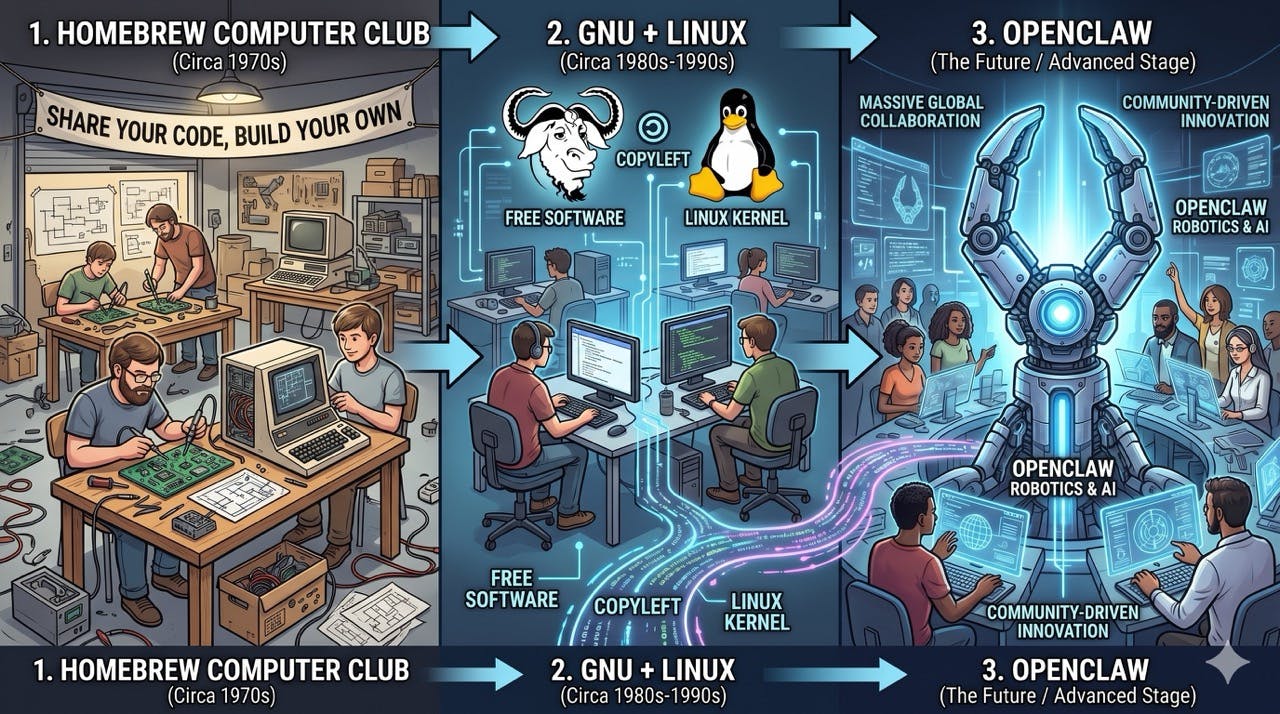
From Homebrew Computer Club to GNU & Linux, we study OpenClaw in the context of open source community-driven technology revolution.
The Historical Parallels
There are a few pivotal moments in history that defined the open source and community-driven approach to major technology development and adoption. Among them are:
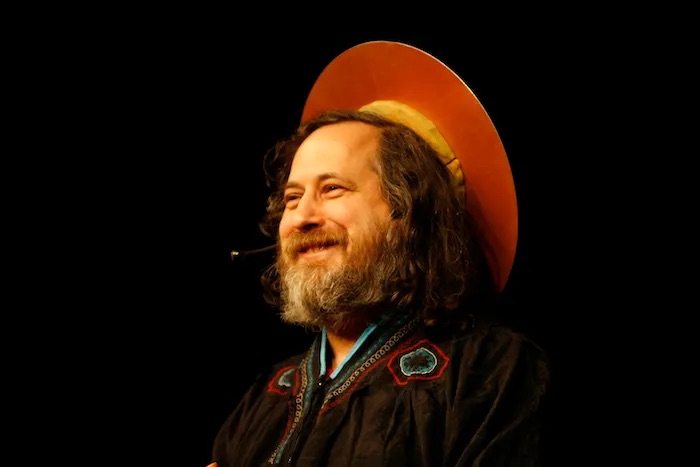
Richard Stallman — the man whose code runs the internet but whose philosophy the industry ignores.
You might have heard Linux Torvalds' name a dozen times, but you might not have heard of Richard Stallman. And that is a pity! (This is a longer story, so please stay to the end about the 2026 interview that almost happened.)
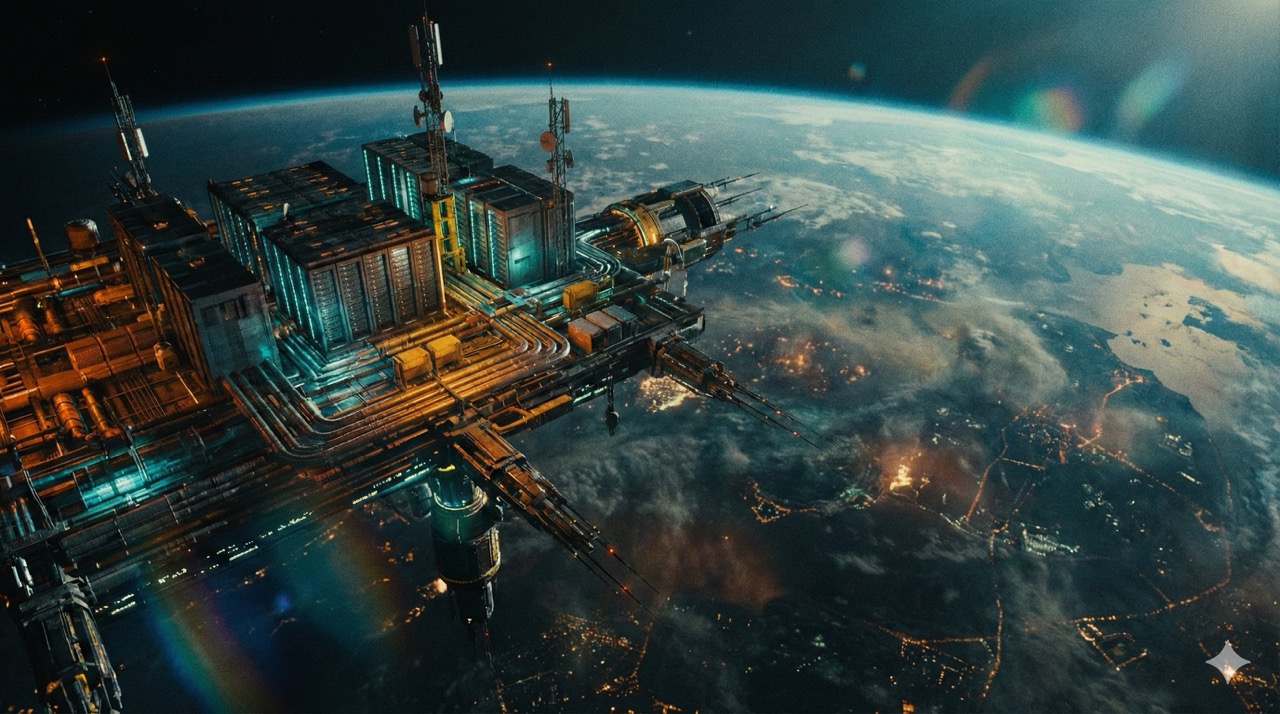
The accelerating AI revolution, pushing computational demand beyond Moore's Law into the "AI Supercycle," is straining terrestrial infrastructure. Hyperscale data centers, once symbols of progress, are now viewed as "thermodynamic parasites" due to their unsustainable consumption of gigawatt-level power and millions of gallons of potable water, issues the current grid and aquifers cannot support.
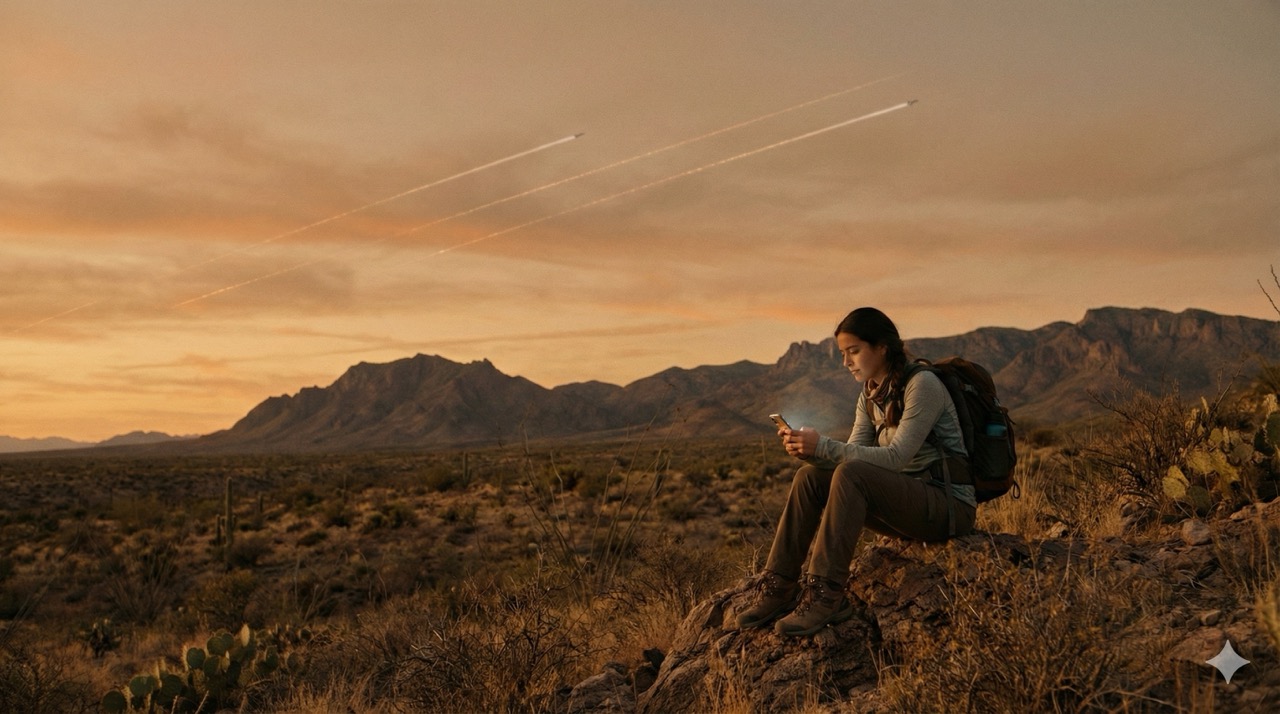
Mobile phones have always been limited by ground infrastructure. The cellular revolution, while powerful, is geographically restricted, leading to significant signal gaps outside major cities, in parks, or offshore. The vast network of towers and cables is constrained by population density and challenging terrain, making it neither profitable nor physically possible to build infrastructure in remote areas like the Chihuahuan Desert or the Uinta Mountains.
But a radical shift is underway, one that promises to redraw the map of human connectivity. Above our heads, a new industrial revolution is taking place in Low Earth Orbit (LEO). The "dead zone," that frustrating relic of 20th-century infrastructure, is being systematically erased by a new breed of spacecraft. This is the era of Direct-to-Device (D2D) satellite connectivity.
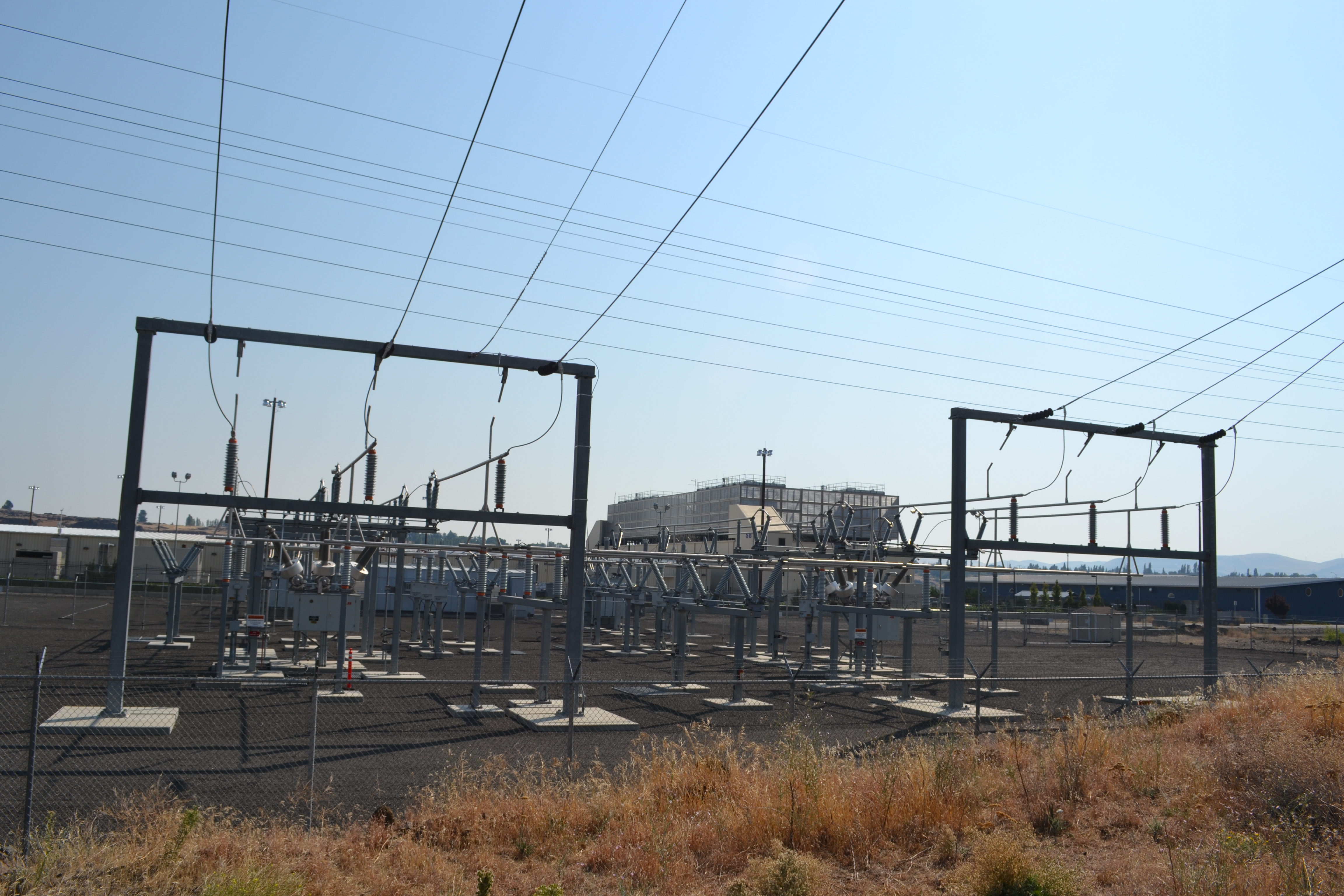 Photograph: Visitor7 / Wikimedia Commons (CC BY-SA 3.0).