A beginner's guide to MeshCore LoRa mesh radios: how they work, which hardware to buy, and how to fix the classic problem where you can hear the mesh but it can't hear you.
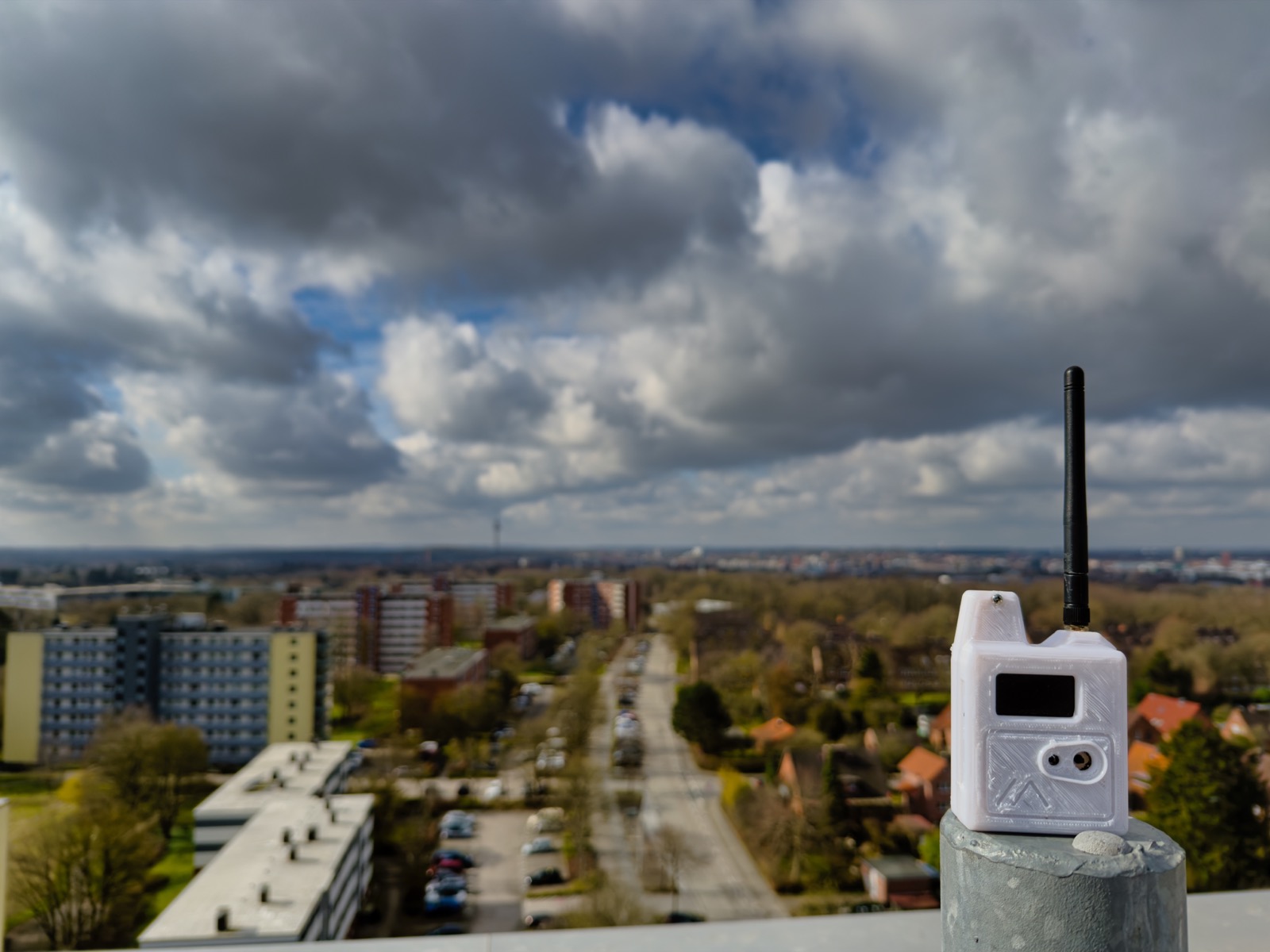 A Seeed Wio Tracker L1 Pro, a ~$45 MeshCore starter radio, keeping watch over a German skyline. Photo: Fabian Horst, CC BY 4.0.
He wrote Python over a 1989 Christmas break. By 2018 it ran AI and the web, and a fight over the walrus operator (PEP 572) drove him to resign as BDFL.
Tags: Guido van Rossum, Python programming language, history of Python, BDFL, Benevolent Dictator For Life, PEP 572, walrus operator, Python Steering Council, PEP 13, open source governance, developer burnout, Python 3 migration, Python for AI, machine learning, Faster CPython, Global Interpreter Lock
 Guido van Rossum, the Benevolent Dictator For Life, in 2014.

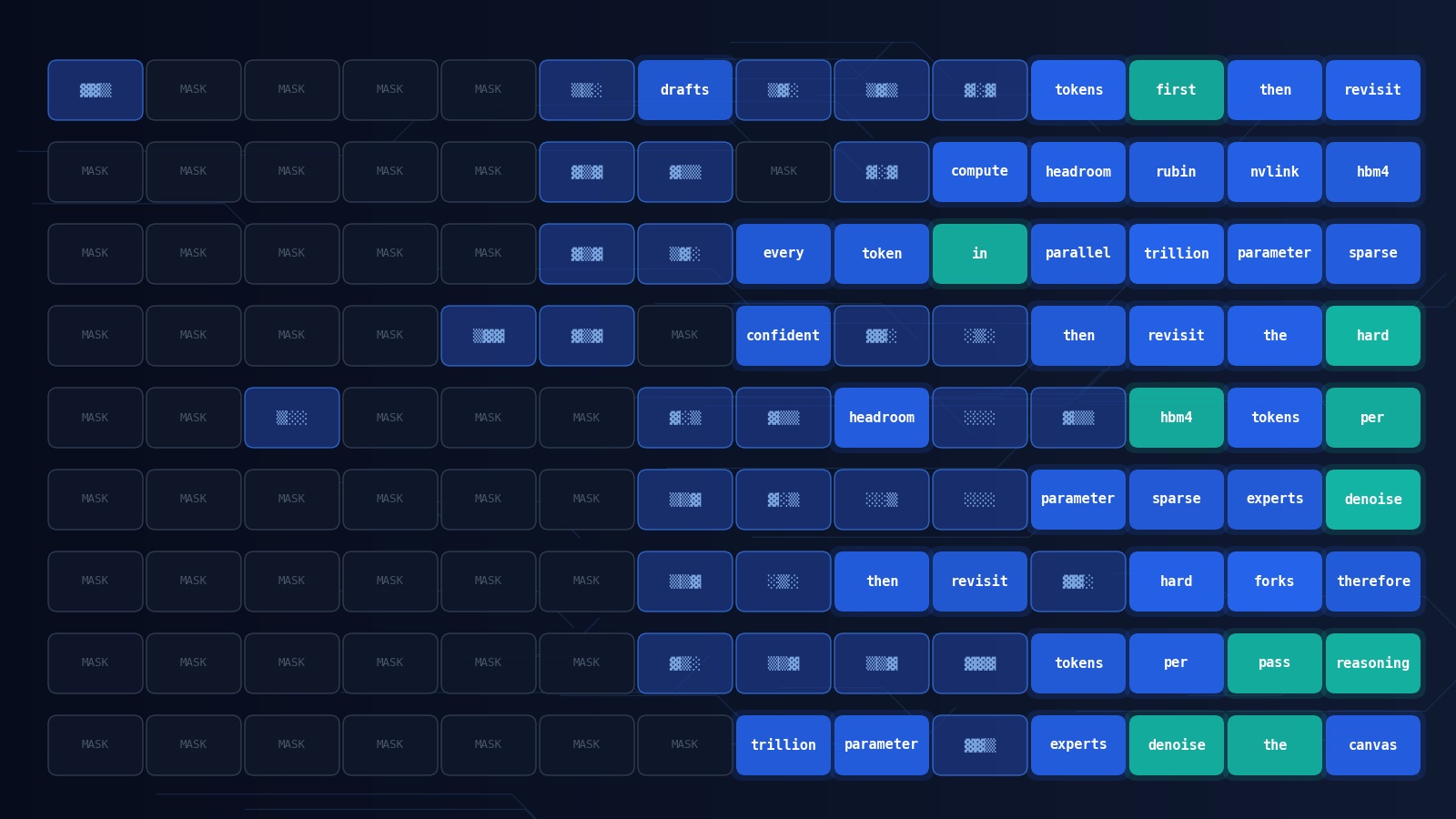 Diffusion LLMs start from a canvas of blanks and refine many tokens in parallel. The open question is whether that trick survives at a trillion parameters. (Illustration: author)
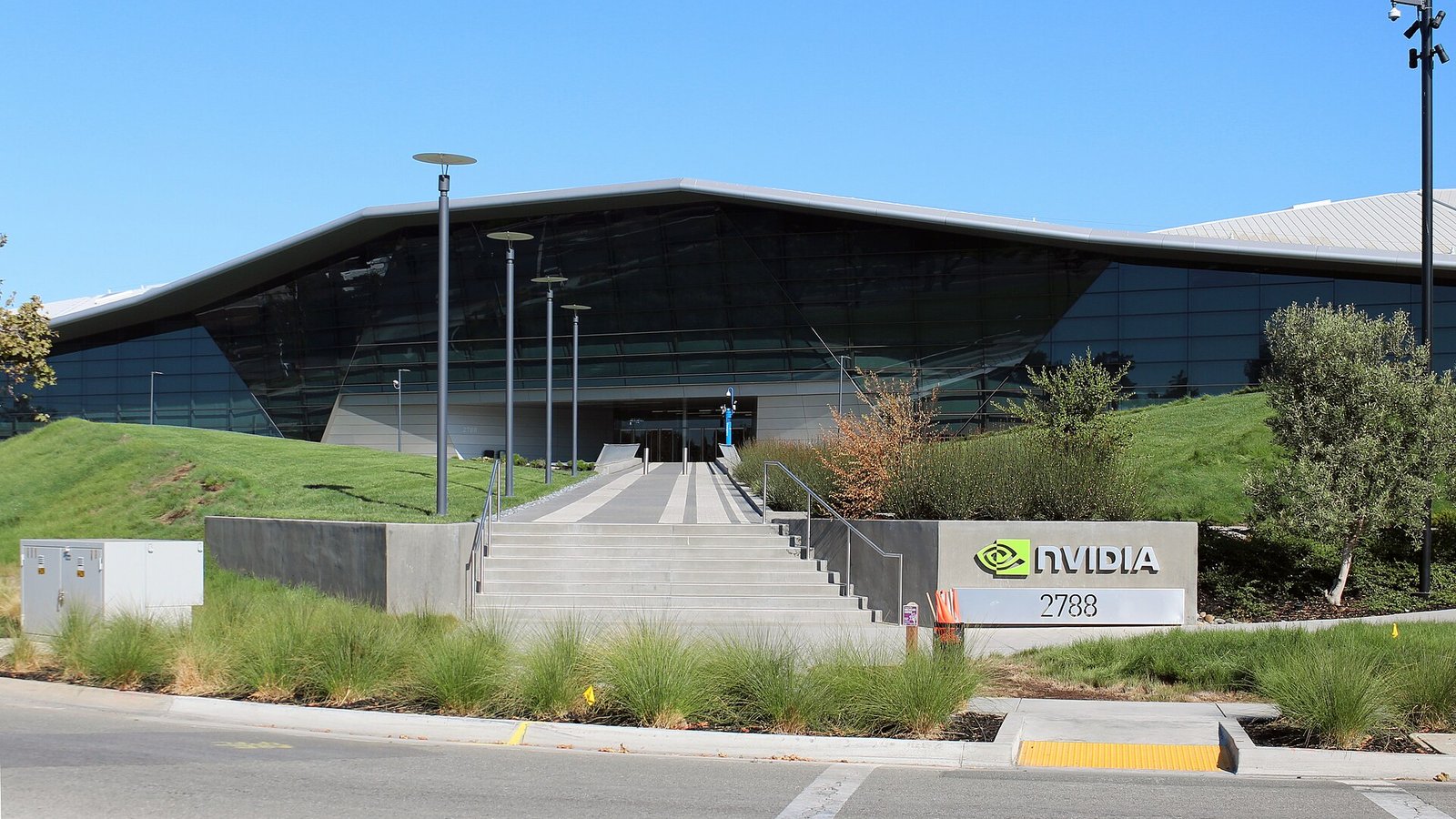 Nvidia's Santa Clara headquarters: the house Jensen built, and as of this week, the house he no longer runs.